Reconsidering Floating Vegetable Cultivation
A Practical Approach for Future Food Security and Nutrient Recycling
NPO ESCOT previously conducted experimental studies on floating vegetable cultivation systems as part of its long-term research into future food security and sustainable resource utilization. (npo-escot.org)
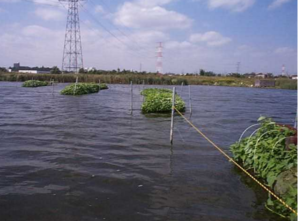
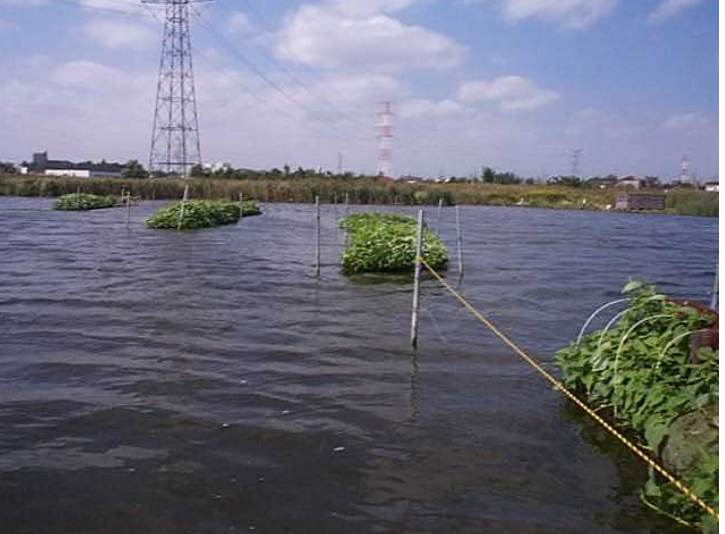
One of the main experimental sites was Lake Teganuma in Chiba Prefecture, Japan, where water eutrophication at the time created an environment rich in nutrients.
Nutrient-Rich Water Enabled Fertilizer-Free Cultivation
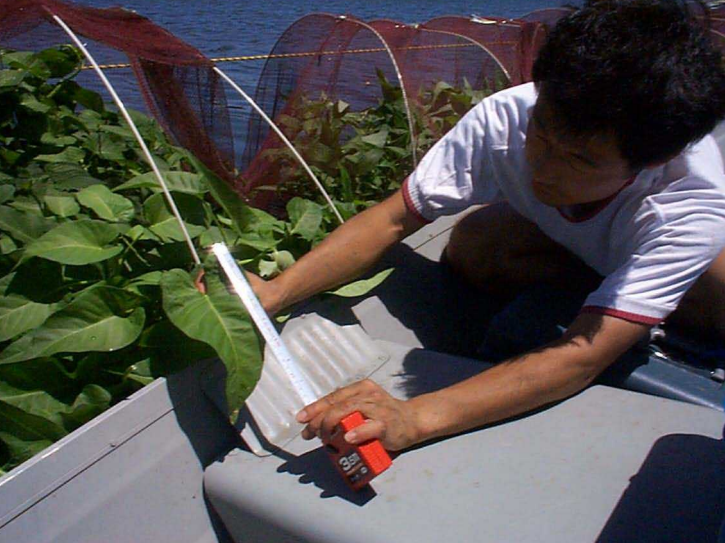
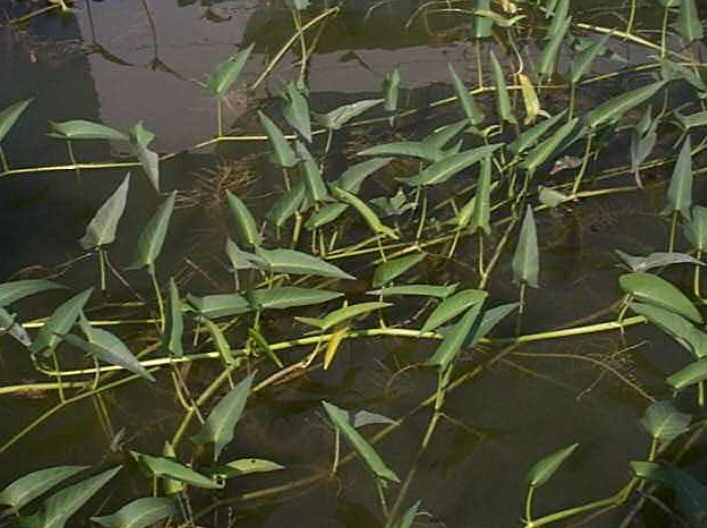
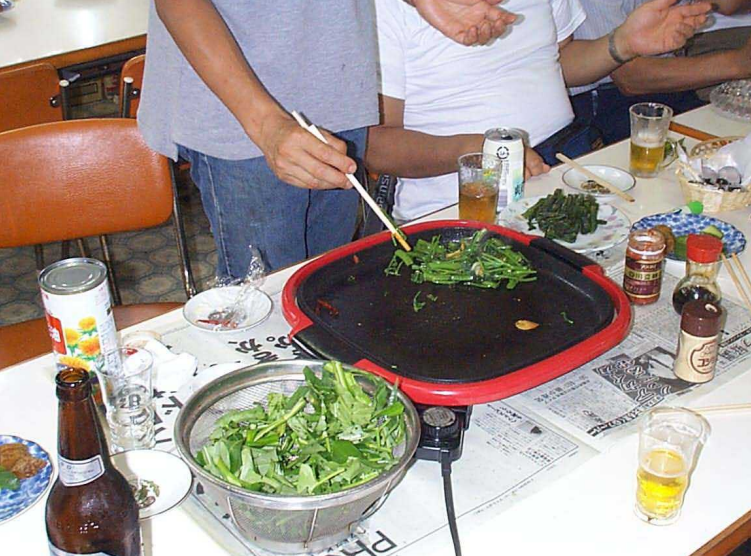
During the experiment, water spinach (Kangkung / Ong Choy / 空心菜) demonstrated particularly strong growth performance without the addition of fertilizer.
This suggested that nutrients already flowing into lakes and rivers from surrounding agricultural areas could potentially be reused for food production.
In many agricultural regions, a significant portion of applied fertilizer eventually enters nearby waterways through runoff.
The floating cultivation system therefore functioned as a form of “cascade nutrient recycling,” recovering nutrients that would otherwise contribute to eutrophication.
Advantages Confirmed During the Experiment
The experiment confirmed several practical advantages:
- Strong summer growth suitable for hot-season leafy vegetable production
- Reduced need for fertilizer input
- Extremely low insect damage
- Potential for significant reduction in pesticide use
- Effective utilization of underused water surfaces
At the same time, damage from herbivorous birds such as coots was observed, making bird-protection nets necessary for stable cultivation.
Passive Aeration Using Natural Motion
Because the cultivation system effectively functioned as hydroponics, oxygen supply around the root zone was considered important.
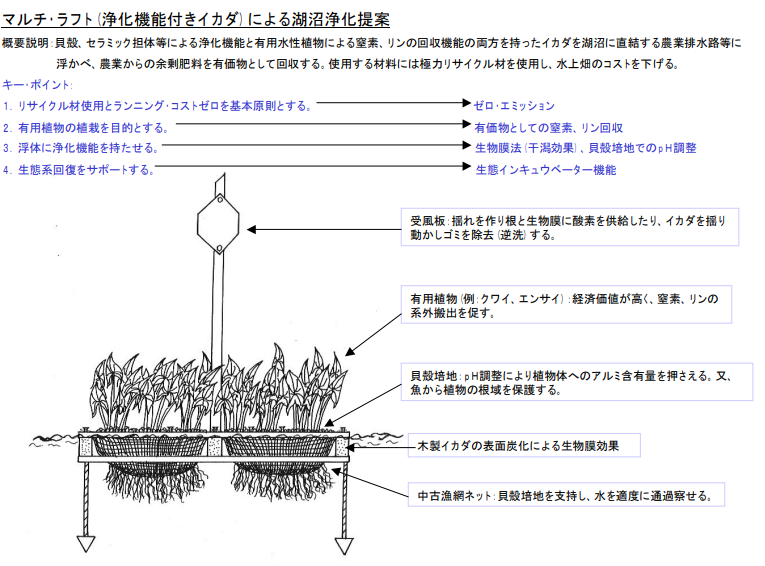
To improve nutrient and oxygen circulation, ESCOT designed the floating raft structure with wind-catching plates that allowed the platform to move and sway naturally with wind and waves.
This passive movement promoted water exchange around the roots without requiring external energy input.
Why This Concept Matters Again Today
In recent years, global concerns have intensified regarding:
- Rising fertilizer prices
- Supply instability caused by geopolitical conflicts
- Climate change impacts on agriculture
- Water pollution and eutrophication
- Food security risks
Particularly in light of fertilizer supply concerns associated with Middle East conflicts, the concept of recovering and reusing nutrients already flowing through agricultural and aquatic systems deserves renewed attention.
Floating vegetable cultivation may offer practical possibilities for:
- Cascade recycling of agricultural nutrients
- Reduction of external fertilizer dependence
- Low-pesticide food production
- Summer vegetable cultivation
- Circular regional agriculture systems
NPO ESCOT still retains technical knowledge and experimental experience related to these floating cultivation systems and is considering future RE (Resource & Environmental) applications based on this concept. (npo-escot.org)